
부노
이 문서에는 알바니아 분야 전문가의 참여가 필요합니다. |
부노 | |
|---|---|
v | |
| 파일:Vuno Albania.jpg | |
| 좌표: Lua 오류: callParserFunction: function "#coordinates" was not found. | |
| 인구 | |
| • 총 인구 | 486 |
부노(Vuno) 또는 뷰노는 알바니아 블로러주 히마러 지방자치체의 마을이다.[1] 히마러 중심과 알바니아 리비에라의 더르미 마을을 연결하는 도로를 따라 위치한다. 부노의 인구는 오직 정교회 알바니아인들로만 구성되어 있다.[2]
이름
마을 이름은 그리스어 '부노'(Vouno, 그리스어: Βουνό)에서 유래했으며, 이는 '산'을 의미한다. 해발 약 300미터(980피트) 높이의 언덕에 위치한 것을 반영한다.[3]
역사
1628년, 가톨릭 선교사 네오피토스 로디노스(Neophytos Rodinos)는 히마러의 그리스 정교회 인구를 가톨릭으로 개종시키려는 목적으로 부노에 학교를 설립했다.[4] 1632년에는 이 마을에 알바니아어 학교가 설립되었다.[5][6]
1720년, 히마러, 팔라스, 일리아스, 부노, 필루르, 체파로 마을 주민들은 델비너 파샤에게 복종하기를 거부했다.[7]
1722년에 글을 쓴 이탈리아 선교사 주세페 시로에 따르면, 부노에는 알바니아인이 거주했다.[8][9]
1873년, 부노의 그리스 학교에는 80명의 학생들이 있었다. 그리스 교육은 다음 해에 확장되었고, 1898-1899학년도에는 마을에 초등학교, 중학교, 여학교 세 개의 학교가 있었다. 교육은 부노와 인근 정착지 출신의 여러 저명한 인물들과 디아스포라 구성원들에 의해 자금 지원을 받았다. 이 학교들은 1913년에 운영을 중단했다.[10]
부노의 그리스어 수업은 인상적인 건물에서 진행되었다. 그러나 마을이 새로 설립된 알바니아 공국에 편입된 후, 국가 정책은 그리스어 교육을 금지했다.[11]
1912년 11월, 제1차 발칸 전쟁 동안, 히마러는 스피로스 스피로밀리오스의 지휘 아래 봉기하여 오스만군을 추방했다.[12] 1912년 11월 6일, 부노는 스틸리아노스 갈레로스 휘하의 그리스군에 의해 점령되었다.[13]
11월 28일 블로러에서 알바니아 독립 선언이 있은 후, 히마러는 알바니아인 군대의 끊임없는 공격을 받았지만, 그들은 그 지역을 다시 장악할 수 없었다. 이 지역은 발칸 전쟁이 끝날 때까지 그리스의 통제하에 있었다.[14] 그리스군이 히마러에서 철수한 후, 지역 주민들은 이 지역의 방어를 맡았다.[15]
히마러의 반군들은 인근 마을의 자원봉사자들과 군 탈영병들의 합류로 히마러로 향하는 도로에 검문소를 설치하고 저항을 계속했다.[15] 아타나시오스 리암푸 코추(Athanasios Liampou Kotsou)는 자원봉사자 그룹과 부노 주민들을 지휘했다.[15] 부노 반군들은 게릴라 지도자 게오르기오스 촐라케스(Georgios Tsolakes)가 이끄는 55명의 그리스 혁명 그룹의 지원을 받았다.[15]
6월 30일, 부노 부대는 강력한 알바니아 저항에 부딪혀 브라니쉬트에 진입하지 못했다. 그러나 다음 날 성공적으로 점령했다.[15] 분쟁 중 촐라케스와 다른 히마라 지도자들은 나중에 전투 중 사망했다.[15]
히마러 지역은 알바니아 국가의 통제하에 놓였다. 1921년에는 더르미, 부노, 히마러, 필루르, 쿠데스, 체파로를 포함한 히마러 주민들의 권리와 그 마을들에 대한 "히마러 문제"가 발생했다. 이 문제는 알바니아 정부 대표인 스피로 요르고 콜레카가 감독했다.[16]
정부는 알바니아어를 공식 언어로 학교에서 필수적으로 가르치도록 결정했으며, 지역 주민들이 원할 경우 그리스어를 제2 외국어로 가르칠 수 있도록 했다.[16]
부노 출신으로 알바니아 민족 운동의 저명한 인물인 스피로 콜레카는 히마러 지역과 더 넓은 블로러 지역을 외세에 합병하는 것에 반대했다.[17] 그는 다른 지역 히마라 주민들도 참여했던 블로러 전쟁 조직에 중요한 역할을 했다.[17]
1920년대에 이 지역이 알바니아에 편입된 후, 부노 주민들은 그리스 학교를 계속 유지했다. 1934년부터 1936년까지 그들은 마을에서 그리스어 교육을 계속할 것을 청원했다. 그러나 그들의 요청은 결국 알바니아 국가 당국에 의해 거부되었다.[18]
그리스-이탈리아 전쟁 중이던 1940년 12월, 이탈리아군은 벤츠, 부노, 볼레나에 대한 그리스군의 공격을 성공적으로 격퇴했다.[19] 1941년 1월 15일, 그들은 그리스군의 디쉬니처 지역 공격에 맞서 부노를 다시 방어했다.[19] 스쿠타라에는 전사한 그리스 군인들을 기리는 군인 묘지가 유지되고 있다.[20]
제2차 세계 대전 동안, 부노 출신의 여러 주민들이 알바니아 국민해방군에 게릴라 전사로 참여했다. 그들 중 자호 코카, 코즈마 누시, 람브로 안도니 세 명은 사후에 "알바니아 인민 영웅" 칭호를 받았다.[21]
마을 기념비에는 아르칠레 비에로, 아마리 안도니, 에프티히 바카, 포토 곡소, 헤르콜레 콜레카, 이라클리 타니, 람브로 셰티, 클레오멘 A. 은드레니카, 니키타 안도니, 나초 코초, 파노 디메조카, 필로 바르피, 스테포 쿠라, 토마 시모를 포함한 여러 참가자들의 이름이 새겨져 있다. 부노는 또한 그리스 히마라 주민들이 알바니아 국민해방군으로 조직된 중심지이기도 했다.[22]
1997년 알바니아 반란 동안, 무장 단체가 히마러와 부노 사이에 바리케이드를 설치했다.[23]
인류학자 V. 니치아코스(2010)는 현장 조사에서 이 공동체가 강력한 정교회 기독교 정체성에 자부심을 가지고 있음을 관찰했다. 그들은 또한 그리스에 대해 우호적인 감정을 가지고 있는데, 이는 그 나라에서의 취업 기회와 관련이 있을 수 있다. 또한, 이 공동체 구성원들은 그리스인으로서 그리스 연금을 받고 있지만, 스스로를 그리스인이라고 부르지는 않는다. 대신 그들은 북에페르인 또는 정교회 신자라고 밝히며, 많은 정교회 알바니아인들 사이에서 흔히 볼 수 있는 태도인 진정한 알바니아 민족 정체성을 부인하지 않는다.[24]
건축 및 교회
이 마을에는 여러 교회가 있지만, 현재 사제가 없기 때문에 사용되지 않고 있다.[21]
얄리 해변에 위치한 교회 중 하나는 14세기까지 거슬러 올라가며 베네치아 양식으로 지어졌다.[21] 다른 두 교회, 성 스피리돈 교회(언어 오류(sq): Kisha e Shën Spiridhonit) (1778)와 성 마리아 교회 (1783)는 비교적 잘 보존되어 있다.[21]
지역 전설에 따르면, 마을 주민들은 원래 슈코더르 시에서 이주하여 부노에 정착했고, 그곳에 성 마리아 교회를 지었다고 한다. 원래 가톨릭 교회였던 이 교회는 스쿠타라(Scutara)로 알려진 마을의 눈에 띄는 곳에 여전히 잘 보존되어 있다.[21] '스쿠타라'라는 이름은 이 지역에 잘 알려져 있던 프로노이아의 비잔틴 군사 전통을 반영하는 것일 수 있다.[25] 이 교회는 나중에 정교회로 바뀌었다.[21]
관광 명소
여름철에는 부노와 히마러의 해변이 지방자치체의 주요 관광 명소이다.[26] 부노와 더르미 사이에 위치한 얄리스카리(또는 얄리) 해변은 전 세계 관광객을 끌어들이는 인기 있는 여름 휴양지가 되었다.[3]
정체성과 언어
부노는 알바니아인 정교회 기독교인들이 거주하는 마을이다.[2][27][28] 그들은 강한 종교적 정체성에 자부심을 가지고 있다.[24] 부노에서 사용되는 지역 방언은 남부 토스크 방언이며, 특히 통일되지 않은 언어 그룹으로 구성된 라베리슈트의 하위 방언이다.[29][30] 마을의 고령 인구는 알바니아어만을 사용하지만, 젊은 세대 중 일부는 그리스로의 이주로 인해 그리스어도 사용한다.[24]
갤러리
-
1909년 부노 그리스 학교의 학생들과 교사들
-
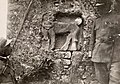 중세 베네치아 성 마르코 사자상, 1918년 부노에서 촬영
 -
부노 기념비
-
부노의 염소지기 목동
-
부노 옆 얄 또는 얄리 해변


저명한 인물
- 디미터르 아나그노스티, 알바니아 영화감독, 전 문화청소년체육부 장관
- 오디세 그릴로, 알바니아 작가
- 자호 코카, 알바니아 국민해방운동 회원
- 스피로 요르고 (고고) 콜레카 (1879 또는 1880–1940) 저명한 알바니아 정치인이자 활동가
- 스피로 콜레카, (1908 – 2001) 알바니아 공산당 정치인이자 파르티잔
- 아나스타스 콘도, 알바니아 작가
- 소포클리 라즈리, 엔베르 호자의 고문이자 작가
- 로베르트 은드레니카, 알바니아 배우
- 고고 누시, 알바니아 정치인이자 제2차 세계 대전 영웅
- 아타나시오스 피피스 (−1821), 그리스 독립 전쟁의 혁명가
- 레안드로 조토, 알바니아 정치인이자 전 티라나 시장
내용주
- ↑ “Law nr. 115/2014” (PDF) (shqip). 6376쪽. 2022년 2월 25일에 확인함.
- ↑ 가 나 Kallivretakis, Leonidas (1995). 《Η Ελληνική Κοινότητα της Αλβανίας υπό το Πρίσμα της Ιστορικής Γεωγραφίας και Δημογραφίας [The Greek Community of Albania in Terms of Historical Geography and Demography]》 (Greek). Εκδόσεις Σιδέρης. 53쪽. ISBN 978-960-08-0054-8. 2015년 2월 2일에 확인함.
- ↑ 가 나 Gregorič p. 46
- ↑ Tsirpanlis, Zaharias (1972). 《Neophytos Rodinos in Epirus》. 《Olympia》. 317, 321쪽. doi:10.26268/heal.uoi.9822. 2023년 3월 9일에 확인함.
άνέλαβε, τόν ’Ιανουάριο τοϋ 1628, πρώτος αύτός επίσημος μισσιονάριος τής καθολικής Προπαγάνδας, νά προσελκύση στόν καθολισμό τόν ορθόδοξο έλληνικό πληθυσμό τής περιοχής τής Χιμάρα... Τό πρώτο σχολείο πού ιδρύει τό έντοπίζουμε στό χωριό Βοΰνο... Ή 'ίδρυση χρονολογείται κατά τό 1628
- ↑ Temo, Sotir (1985). 《Education in the People's Socialist Republic of Albania》 (영어). "8 Nentori" Publishing House. 7쪽.
... the primary schools in Korça (1637), in Pedhanë and Blinisht in the Shkodra district (1639) where a secondary school was opened that same year, the Albanian schools in the region of Himara : Dhërmi, Vuno, Palasë (1632) .
- ↑ Gaçe, Bardhosh (1999). 《Lëvizja kombëtare në Vlorë, 1878-1912》 (shqip). Botimet Toena. 224쪽. ISBN 978-99927-1-185-9.
Shkollat e para u çelën në Dhërmi, Palasë, Vuno dhe Himarë . Këtu vinin nxënës nga Dukati, Tërbaçi, Kuçi, Lukova, Piqerasi e tjerë . Shkollat e para i çeli Noefit Rodinoja, që besohet se në fshatrat e Himarës arriti në vitin 1632
- ↑ 《Etnografia shqiptare》 15. Akademia e Shkencave e RPSH, Instituti i Historisë, Sektori i Etnografisë. 1987. 199쪽.
- ↑ Bartl 1991, 331쪽: "Nach der Relation von Giuseppe Schirò aus dem Jahre 1722 waren von den 14 himariotischen Ortschaften drei (Himara, Dhërmi und Palasa) "di natione greci", die restlichen 11 (Ilias, Vuno, Kalarat, Piluri, Qeparo, Piçerras, Lukovë, Shën-Vasil, Hundëcovë, Nivicë e Bubarit und Lëkurës) wurden als "di natione albanesi" bezeichnet."
- ↑ Borgia 2014, 317–318쪽: "IV. Relacioni i pare i At Schirò-it ... Fillimisht kjo provincë, e cila motit ishte shumë e populluar me të krishterë, tani nuk ka më shumë se katërmbëdhjetë fshatra, që ushtrojnë ligjin e Krishtit në ritin grek (lindor): domethënë: Cimara (Himara) kryeqendra e provincës, Drimades (Dhërmiu) dhe Balasa (Palasa) të kombësisë greke (di natione greci); Egliates (Iliates, Ilias), Vuno (Vuno), Caloghirates (Kallarati), Piluri (Pilur), Clapero (Qeparo), Pichierasi (Piqeras), Lúculo (Lukovë), S. Basili (Shën Vasil), Gudezzona (Hundëcova), Nivizza (Nivica) e Licunisi (Lëkurësi) të kombësisë shqiptare (di natione albanesi)."
- ↑ Koltsida, Athina. Η Εκπαίδευση στη Βόρεια Ήπειρο κατά την Ύστερη Περίοδο της Οθωμανικής Αυτοκρατορίας (PDF) (그리스어). University of Thessaloniki. 173–174쪽. 2014년 12월 27일에 확인함.
- ↑ Manta, Eleftheria (2005). 《Aspects of the Italian Influence upon Greek-Albanian Relations during the Interwar Period》. 《Didaktorika.gr》 (테살로니키 아리스토텔레스 대학교). 69, 29쪽. doi:10.12681/eadd/23718. hdl:10442/hedi/23718.
- ↑ Kondis, Basil (1978). 《Greece and Albania, 1908–1914》. Institute for Balkan Studies. 93쪽. ISBN 979-8-8409-4908-5.
- ↑ “Η συμβολή του σώματος του οπλαρχηγού Στυλιανού Γαλερού στην απελευθέρωση της Χιμάρας στις 5 Νοεμβρίου 1912 Site Himara.gr News from North Epirus”. 2018년 11월 6일에 원본 문서에서 보존된 문서. 2018년 11월 6일에 확인함.
- ↑ M. V. Sakellariou (1997년 1월 1일). 《Ηπειρος: 4000 χρόνια ελληνικής ιστορίας και πολιτισμού》. Εκδοτική Αθηνών. 367쪽. ISBN 978-960-213-371-2.
- ↑ 가 나 다 라 마 바 Kaphetzopoulos; Flokas; Dima-Dimitriou (2000). 《The struggle for Northern Epirus》. Hellenic Army General Staff. 162–163, 264쪽. ISBN 9789607897404.
Athanasios Liampou Kotsou ... volunteer band and of the residents of Vouno village ... The band of Guerrilla Leader Georgios Tsolakes (55 men), to the bands in Vouno ... the Vouno troops ... Vranishte. They were forced instead to retreat towards the height of Mesemeri. The next day they repeated the attack, and in the afternoon entered Vranishte which had been evacuated by its Muslim inhabitants in the meantime.
- ↑ 가 나 Basil Kondis (1994). 《The Greek minority in Albania: a documentary record (1921–1993)》. Institute for Balkan Studies. ISBN 978-960-7387-02-8.
THE PROTOCOL OF HIMARRA, 1921 We, Spiros Kolekas, Deputy of Valone, General Representative of the Albanian Government for the settlement of the question of the Himarra district, i.e. the villages of Drymades, Vouno, Himarra, Piliouri, Koundessi and Kyparou, which have sent their representatives, Mr G. Bolanos, M. Karas, D. Lekkas and Mr A. Simonides as their Secretary, have agreed upon the following: a) Privileges: The Albanian ...
- ↑ 가 나 Meta, Beqir (2008). "Ballafaqimi shqiptaro-grek për Himarën (1920–1924) [Greek-Albanian confrontation in Himara (1920–1924)]." Studime Historike. 1–2: 43: "Pas mbarimit të Luftës I Botërore lëvizja atdhetare shqiptare në Himarë u rigjallërua. Një vend të veçantë luajti Spiro Gogo Koleka, i cili ndihmoi për mbledhjen e Kongresit të Lushnjës dhe zbatimin e vendimeve të tij. Ai bashkë me patriotë të tjerë ishte nënshkruesi i mjaft dokumenteve dërguar përfaqësuesve të Fuqive të Mëdha në Konferencën e Paqes, në të cilat kundërshtohej çdo përpjekje për aneksimin e Vlorës dhe Himarës1. Në maj të vitit 1920 Spiro G. Koleka u caktua anëtar i qeverisë kombëtare. Ai më vonë u bë njëri nga organizatorët e Luftës së Vlorës kundër italianëve, në të cilën morën pjesë edhe himarjotë të tjerë." "[After the end of World War One, the Albanian patriotic movement in Himarë was revived. A special place Spiro Gogo Koleka played, who assisted at the gathering of the Congress of Lushnja and implementation of its decisions. He and other patriots were signatory to many documents sent to the representatives of the Great Powers during the Peace Conference, that opposed any attempt to annex Vlora and Himarë. In May 1920 Spiro G. Koleka was appointed member of the national government. He later became one of the organizers of the Vlora War against the Italians, where other Himariots participated.]"
- ↑ Nitsiakos, Vassilis (2010). 《On the Border: Transborder Mobility, Ethnic Groups and Boundaries Along the Albanian-Greek Frontier》 (영어). LIT Verlag Münster. 98쪽. ISBN 9783643107930.
- ↑ 가 나 Donald A Bertke; Gordon Smith; Don Kindell (2012년 5월 15일). 《World War II Sea War, Volume 3: The Royal Navy is Bloodied in the Mediterranean》. Lulu.com. 128, 179쪽. ISBN 978-1-937470-01-2.
- ↑ Mavraganis, Kostas (2017년 10월 28일). “Αυτοί είναι οι ήρωες του Αλβανικού Μετώπου: Τα ονόματα των νεκρών Ελλήνων στρατιωτών του Ελληνοϊταλικού Πολέμου” (그리스어). 《HuffPost Greece》. 2018년 11월 7일에 확인함.
- ↑ 가 나 다 라 마 바 Dede, Alqiviadh (2009년 9월 15일). “Bregu i detit – Vunoi dhe Jali si perlat e tij” (shqip). 《Gazeta Shqip》. 2009년 9월 15일에 확인함.
- ↑ Moschopoulos, Dionysios (2016). 《A Case of International Criminal Law stricto sensu from the Archives of the Prosecution of Appeals of Corfu. The Kidnapping and Execution of Michalis Spiromilios, in the Summer of 1944.》. 《Institute of Kefallinian Studies》. 439쪽. 2022년 9월 15일에 확인함.
Βασικός πυρήνας των Ελλήνων της Χιμάρας που δρούσαν στους κόλπους του αλβανικού ΕΑΜ ήταν το χωριό Βούνο.
- ↑ “Holidays in Albania – Part 1, 1997”. libcom. 2006년 10월 26일.
- ↑ 가 나 다 Nitsiakos, Vassilis (2010). On the border: Transborder mobility, ethnic groups and boundaries along the Albanian-Greek frontier. LIT Verlag. p. 466. "I can mention the village Vuno, where I conversed several times with the villagers. Quite a few of the young people in the village speak Greek, because they have worked in Greece. The older ones speak only Albanian. They talk proudly about their Orthodox Christian identity and their friendly feelings towards Greece; they are thankful to Greece, for both letting the young people of the village work there and for giving out to them agricultural pensions as "Hellenes". When they mention their national identity they are very careful. They never define themselves directly as Greek and use the terms "Northern Epirote" or "Orthodox" instead. The term "Northern Epirote" is particularly convenient in its ambiguity, but they prefer it because they know it means "Greek" to the Greeks. This way they both appear honest and achieve their goal without falling into the trap of denying the true national identity. This is actually the case with the majority of the Orthodox Christians of the Albanian south."
- ↑ Kyriazis, Doris (2019년 3월 18일). 《Διατοπικότητα και διαχρονικότητα των νεοελληνικών γλωσσικών ιδιωμάτων της νότιας Αλβανίας》. 《Modern Greek Dialects and Linguistics Theory》 8 (University of Patras). 121쪽. 2020년 10월 19일에 확인함.
- ↑ Gregorič p. 45
- ↑ Nitsiakos, Vassilis (2010). On the border: Transborder mobility, ethnic groups and boundaries along the Albanian-Greek frontier. LIT Verlag. p. 99. "According to the latest census in the area, the Greek-speaking population is larger but not necessarily continuous and concentrated. The exclusively Greek-speaking villages, apart from Himarë, are Queparo Siperme, Dhërmi and Palasë. The rest are inhabited by Albanian-speaking Orthodox Christians (Kallivretakis 1995:25-58)."
- ↑ Gregorič, Nataša. “Contested Spaces and Negotiated Identities in Dhermi/Drimades of Himare/Himara area, Southern Albania” (PDF). 《노바 고리차 대학교》. 63쪽. 10 June 2011에 원본 문서 (PDF)에서 보존된 문서. 15 August 2010에 확인함.
In their day-to-day conversations locals of Dhermi, Palase, and Himara mainly use a Greek dialect and partly a southern Albanian (Tosk) dialect, while the locals of Ilias, Vuno, Qeparo, Kudhes, and Pilur mainly speak the Albanian tosk dialect
- ↑ Gjinari, Jorgji (1989). 《Dialektet e gjuhës shqipe》 (shqip). Academy of Sciences of Albania, Institute of Linguistics. 57쪽.
- ↑ Totoni, M (1971). 《Dialektologjia shqiptare I, Vëzhgime rreth të folmeve të Kurveleshit (영어: Albanian dialectology I, Observations on the Language of Kurvelesh)》 (shqip). 85쪽.
각주
- Bartl, Peter (1991). 《Zur Topographie und Geschichte der Landschaft Himara in Südalbanien》 (독일어). 《Münchner Zeitschrift für Balkankunde》 7–8. ISBN 9783878281962. ISSN 0170-8929.
- Borgia, Nilo (2014). 〈Kapitulli V: At Giuseppe Schirò-i〉 (shqip). 번역 Hysa, Mimoza. Sinani, Shaban (편집). 《Murgjit bazilianë të Italisë në Shqipëri: Shënime mbi misionet në Himarë, shek. XVI-XVIII》. Naimi. ISBN 978-9928-109-67-5.
- Gregorič, Nataša. “Contested Spaces and Negotiated Identities in Dhermi/Drimades of Himare/Himara area, Southern Albania” (PDF). 《노바 고리차 대학교》. 2010년 8월 15일에 확인함.
- Nitsiakos, Vassilis (2010). 《On the Border: Transborder Mobility, Ethnic Groups and Boundaries Along the Albanian-Greek Frontier》. LIT Verlag Münster. ISBN 978-3-643-10793-0. 2015년 8월 7일에 확인함.
외부 링크


- 스크립트 오류가 있는 문서
- 잘못된 파일 링크가 포함된 문서
- CS1 - shqip 인용 (sq)
- CS1 관리 - 인식할 수 없는 언어
- CS1 - 영어 인용 (en)
- CS1 - 그리스어 인용 (el)
- 영어 표기를 포함한 문서
- 전문가의 참여가 필요한 문서
- 번역 중인 문서
- 그리스어 표기를 포함한 문서
- 기타 외국어 표기를 포함한 문서
- CS1 - 독일어 인용 (de)
- 위키데이터 속성 P18을 사용하는 문서
- 위키데이터 속성 P41을 사용하는 문서
- 위키데이터 속성 P94를 사용하는 문서
- 위키데이터 속성 P117을 사용하는 문서
- 위키데이터 속성 P154를 사용하는 문서
- 위키데이터 속성 P213을 사용하는 문서
- 위키데이터 속성 P227을 사용하는 문서
- 위키데이터 속성 P242를 사용하는 문서
- 위키데이터 속성 P244를 사용하는 문서
- 위키데이터 속성 P245를 사용하는 문서
- 위키데이터 속성 P268을 사용하는 문서
- 위키데이터 속성 P269를 사용하는 문서
- 위키데이터 속성 P271을 사용하는 문서
- 위키데이터 속성 P347을 사용하는 문서
- 위키데이터 속성 P349를 사용하는 문서
- 위키데이터 속성 P350을 사용하는 문서
- 위키데이터 속성 P373을 사용하는 문서
- 위키데이터 속성 P380을 사용하는 문서
- 위키데이터 속성 P396을 사용하는 문서
- 위키데이터 속성 P409를 사용하는 문서
- 위키데이터 속성 P428을 사용하는 문서
- 위키데이터 속성 P434를 사용하는 문서
- 위키데이터 속성 P435를 사용하는 문서
- 위키데이터 속성 P436을 사용하는 문서
- 위키데이터 속성 P454를 사용하는 문서
- 위키데이터 속성 P496을 사용하는 문서
- 위키데이터 속성 P549를 사용하는 문서
- 위키데이터 속성 P650을 사용하는 문서
- 위키데이터 속성 P651을 사용하는 문서
- 위키데이터 속성 P691을 사용하는 문서
- 위키데이터 속성 P716을 사용하는 문서
- 위키데이터 속성 P781을 사용하는 문서
- 위키데이터 속성 P791을 사용하는 문서
- 위키데이터 속성 P864를 사용하는 문서
- 위키데이터 속성 P865를 사용하는 문서
- 위키데이터 속성 P886을 사용하는 문서
- 위키데이터 속성 P902를 사용하는 문서
- 위키데이터 속성 P906을 사용하는 문서
- 위키데이터 속성 P947을 사용하는 문서
- 위키데이터 속성 P950을 사용하는 문서
- 위키데이터 속성 P966을 사용하는 문서
- 위키데이터 속성 P982를 사용하는 문서
- 위키데이터 속성 P1003을 사용하는 문서
- 위키데이터 속성 P1004를 사용하는 문서
- 위키데이터 속성 P1005를 사용하는 문서
- 위키데이터 속성 P1006을 사용하는 문서
- 위키데이터 속성 P1015를 사용하는 문서
- 위키데이터 속성 P1045를 사용하는 문서
- 위키데이터 속성 P1048을 사용하는 문서
- 위키데이터 속성 P1053을 사용하는 문서
- 위키데이터 속성 P1146을 사용하는 문서
- 위키데이터 속성 P1153을 사용하는 문서
- 위키데이터 속성 P1157을 사용하는 문서
- 위키데이터 속성 P1186을 사용하는 문서
- 위키데이터 속성 P1225를 사용하는 문서
- 위키데이터 속성 P1248을 사용하는 문서
- 위키데이터 속성 P1273을 사용하는 문서
- 위키데이터 속성 P1315를 사용하는 문서
- 위키데이터 속성 P1323을 사용하는 문서
- 위키데이터 속성 P1330을 사용하는 문서
- 위키데이터 속성 P1362를 사용하는 문서
- 위키데이터 속성 P1368을 사용하는 문서
- 위키데이터 속성 P1375를 사용하는 문서
- 위키데이터 속성 P1407을 사용하는 문서
- 위키데이터 속성 P1556을 사용하는 문서
- 위키데이터 속성 P1584를 사용하는 문서
- 위키데이터 속성 P1695를 사용하는 문서
- 위키데이터 속성 P1707을 사용하는 문서
- 위키데이터 속성 P1736을 사용하는 문서
- 위키데이터 속성 P1886을 사용하는 문서
- 위키데이터 속성 P1890을 사용하는 문서
- 위키데이터 속성 P1907을 사용하는 문서
- 위키데이터 속성 P1908을 사용하는 문서
- 위키데이터 속성 P1960을 사용하는 문서
- 위키데이터 속성 P1986을 사용하는 문서
- 위키데이터 속성 P2041을 사용하는 문서
- 위키데이터 속성 P2163을 사용하는 문서
- 위키데이터 속성 P2174를 사용하는 문서
- 위키데이터 속성 P2268을 사용하는 문서
- 위키데이터 속성 P2349를 사용하는 문서
- 위키데이터 속성 P2418을 사용하는 문서
- 위키데이터 속성 P2456을 사용하는 문서
- 위키데이터 속성 P2484를 사용하는 문서
- 위키데이터 속성 P2558을 사용하는 문서
- 위키데이터 속성 P2750을 사용하는 문서
- 위키데이터 속성 P2980을 사용하는 문서
- 위키데이터 속성 P3223을 사용하는 문서
- 위키데이터 속성 P3233을 사용하는 문서
- 위키데이터 속성 P3348을 사용하는 문서
- 위키데이터 속성 P3372를 사용하는 문서
- 위키데이터 속성 P3407을 사용하는 문서
- 위키데이터 속성 P3430을 사용하는 문서
- 위키데이터 속성 P3544를 사용하는 문서
- 위키데이터 속성 P3562를 사용하는 문서
- 위키데이터 속성 P3563을 사용하는 문서
- 위키데이터 속성 P3601을 사용하는 문서
- 위키데이터 속성 P3723을 사용하는 문서
- 위키데이터 속성 P3788을 사용하는 문서
- 위키데이터 속성 P3829를 사용하는 문서
- 위키데이터 속성 P3863을 사용하는 문서
- 위키데이터 속성 P3920을 사용하는 문서
- 위키데이터 속성 P3993을 사용하는 문서
- 위키데이터 속성 P4038을 사용하는 문서
- 위키데이터 속성 P4055를 사용하는 문서
- 위키데이터 속성 P4114를 사용하는 문서
- 위키데이터 속성 P4143을 사용하는 문서
- 위키데이터 속성 P4186을 사용하는 문서
- 위키데이터 속성 P4423을 사용하는 문서
- 위키데이터 속성 P4457을 사용하는 문서
- 위키데이터 속성 P4534를 사용하는 문서
- 위키데이터 속성 P4535를 사용하는 문서
- 위키데이터 속성 P4581을 사용하는 문서
- 위키데이터 속성 P4613을 사용하는 문서
- 위키데이터 속성 P4955를 사용하는 문서
- 위키데이터 속성 P5034를 사용하는 문서
- 위키데이터 속성 P5226을 사용하는 문서
- 위키데이터 속성 P5288을 사용하는 문서
- 위키데이터 속성 P5302를 사용하는 문서
- 위키데이터 속성 P5321을 사용하는 문서
- 위키데이터 속성 P5368을 사용하는 문서
- 위키데이터 속성 P5504를 사용하는 문서
- 위키데이터 속성 P5587을 사용하는 문서
- 위키데이터 속성 P5736을 사용하는 문서
- 위키데이터 속성 P5818을 사용하는 문서
- 위키데이터 속성 P6213을 사용하는 문서
- 위키데이터 속성 P6734를 사용하는 문서
- 위키데이터 속성 P6792를 사용하는 문서
- 위키데이터 속성 P6804를 사용하는 문서
- 위키데이터 속성 P6829를 사용하는 문서
- 위키데이터 속성 P7293을 사용하는 문서
- 위키데이터 속성 P7303을 사용하는 문서
- 위키데이터 속성 P7314를 사용하는 문서
- 위키데이터 속성 P7902를 사용하는 문서
- 위키데이터 속성 P8034를 사용하는 문서
- 위키데이터 속성 P8189를 사용하는 문서
- 위키데이터 속성 P8381을 사용하는 문서
- 위키데이터 속성 P8671을 사용하는 문서
- 위키데이터 속성 P8980을 사용하는 문서
- 위키데이터 속성 P9070을 사용하는 문서
- 위키데이터 속성 P9692를 사용하는 문서
- 위키데이터 속성 P9725를 사용하는 문서
- 위키데이터 속성 P9984를 사용하는 문서
- 위키데이터 속성 P10020을 사용하는 문서
- 위키데이터 속성 P10299를 사용하는 문서
- 위키데이터 속성 P10608을 사용하는 문서
- 위키데이터 속성 P10832를 사용하는 문서
- 위키데이터 속성 P11249를 사용하는 문서
- 위키데이터 속성 P11646을 사용하는 문서
- 위키데이터 속성 P11729를 사용하는 문서
- 위키데이터 속성 P12204를 사용하는 문서
- 위키데이터 속성 P12362를 사용하는 문서
- 위키데이터 속성 P12754를 사용하는 문서
- 위키데이터 속성 P13049를 사용하는 문서
- 부노